
Nourish with Sacred Intention
Reclaiming Your Energy From Sugar
Nourishing ourselves with sacred intention is not about restriction, guilt, or perfection. It is about choosing foods that support a clear mind, steady energy, and a deeper connection to our natural rhythms.
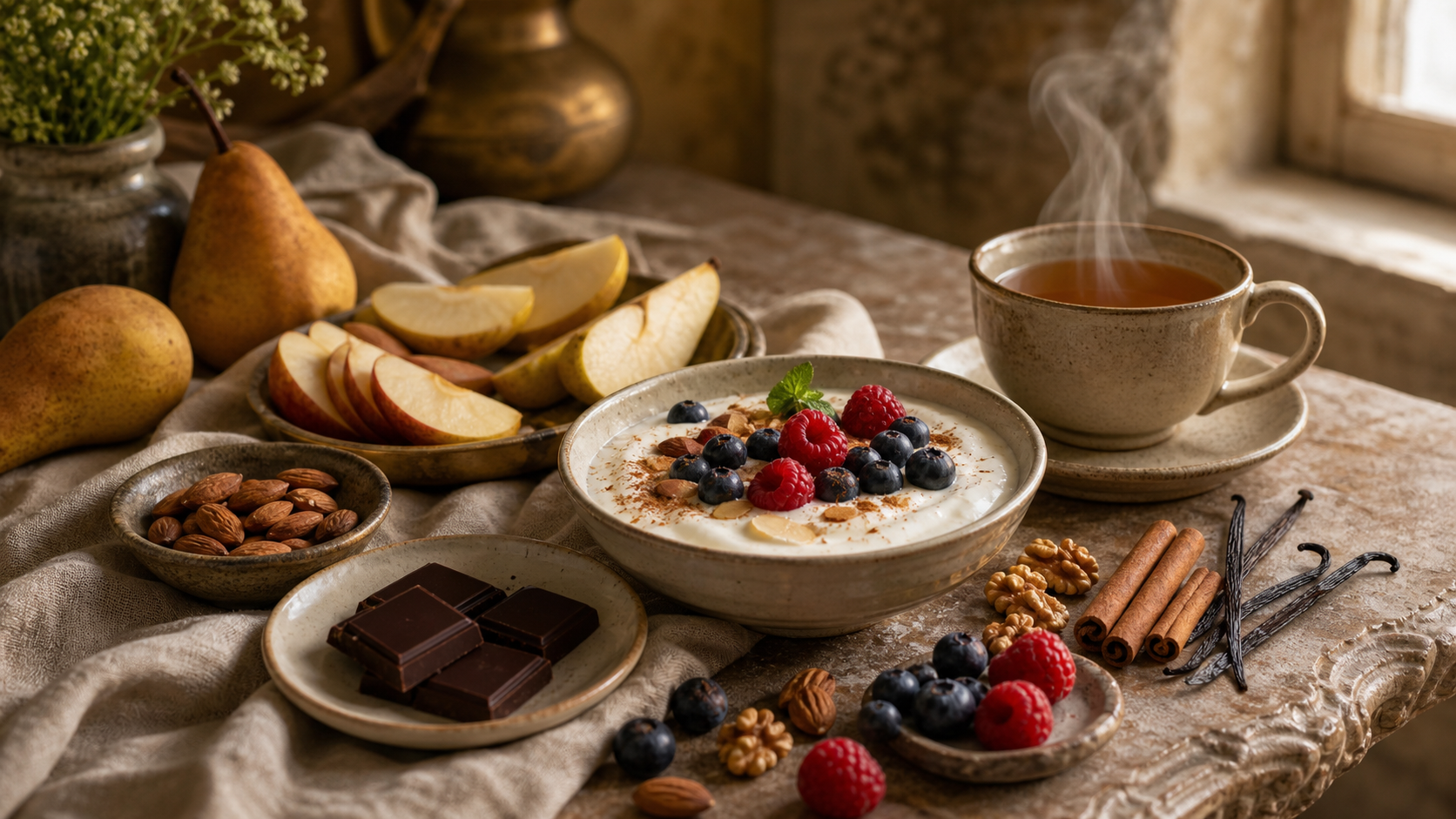
Sugar can feel like comfort — a sweet pause in a busy day, a reward after a difficult moment, or a familiar ritual shared with others. Yet when sugar becomes a frequent source of energy, soothing, or satisfaction, it can quietly pull us away from feeling grounded in our bodies.
Nourishing ourselves with sacred intention is not about restriction, guilt, or perfection. It is about choosing foods that support a clear mind, steady energy, and a deeper connection to our natural rhythms.
How Sugar Affects the Body and Brain
Added sugars — especially those found in soft drinks, sweets, pastries, sweetened cereals, flavoured yogurts, and many processed foods — are absorbed quickly into the bloodstream. This can cause a rapid rise in blood sugar, often followed by a sharp drop.
That cycle may leave us feeling tired, irritable, unfocused, or hungry again soon after eating. For many people, it can create a familiar pattern:
- A craving for something sweet
- A quick burst of energy or comfort
- A crash in energy, mood, or concentration
- Another craving to restore that feeling
Sugar also activates the brain's reward pathways, releasing chemicals associated with pleasure and motivation. This is one reason sugary foods can be difficult to stop eating once we begin. Over time, the brain may start to seek stronger or more frequent sweet rewards — particularly during periods of stress, exhaustion, or emotional overwhelm.
Too much added sugar over time may also contribute to:
- Energy fluctuations and afternoon fatigue
- Difficulty concentrating or feeling mentally clear
- Increased cravings and appetite dysregulation
- Disrupted sleep, especially when consumed later in the day
- Mood changes, including irritability after an energy crash
- Dental decay
- Increased risk factors associated with metabolic and heart health when intake is consistently high
Sweet Alternatives That Truly Nourish
The goal is not necessarily to remove every sweet flavour from life. Naturally sweet, fibre-rich whole foods can help satisfy the desire for sweetness while offering vitamins, minerals, hydration, and a gentler effect on blood sugar.
Consider replacing refined or added sugars with:
- Fresh fruit: berries, apples, pears, oranges, kiwi, peaches, and grapes (in moderation)
- Frozen fruit: blended into smoothies or enjoyed with plain yogurt
- Sugar substitutes: monkfruit or stevia to sweeten plain yogurt, coffee, and your recipes when baking
- Unsweetened applesauce: another great alternative in baking
- Cinnamon, vanilla, cardamom, and nutmeg: warming flavours that make foods feel sweeter without added sugar
- Dark chocolate: choose varieties with a higher cocoa content and enjoy a small portion slowly
- Plain Greek yogurt or coconut yogurt: topped with berries, seeds, and cinnamon
- Chia pudding: made with unsweetened milk, chia seeds, vanilla, and fruit
- Roasted sweet potato: naturally sweet and rich in fibre, potassium, and satisfying carbohydrates
A powerful shift is to pair naturally sweet foods with protein, fibre, and healthy fats. For example, have an apple with almond butter, berries with yogurt and seeds, or dates with walnuts. These combinations can help slow digestion and promote steadier energy.
Foods That Can Help Ease Sugar Cravings
Cravings are often messages from the body. They may signal hunger, lack of sleep, dehydration, stress, or a need for more balanced meals.
These foods can help you feel fuller and reduce the urge to reach for quick sugar:
- Protein-rich foods: eggs, fish, chicken, tofu, tempeh, lentils, beans, Greek yogurt, and cottage cheese
- Healthy fats: avocado, olive oil, nuts, seeds, tahini, and nut butters
- Fibre-rich carbohydrates: oats, quinoa, brown rice, legumes, vegetables, and whole-grain breads
- Magnesium-containing foods: pumpkin seeds, almonds, cashews, spinach, black beans, cacao, and avocado
- Fermented foods: plain yogurt, kefir, kimchi, sauerkraut, and miso, which may support gut health
- Herbal teas: cinnamon, peppermint, rooibos, ginger, or chamomile can create a soothing ritual without added sugar
Sometimes what feels like a sugar craving is actually thirst. Drinking water regularly — especially before reaching for a snack — can be a simple and supportive habit.
Supplements to Consider Mindfully
Supplements are not a replacement for nourishing meals, rest, or emotional support, but some may be useful depending on your individual needs. Speak with a qualified healthcare professional before beginning supplements, especially if you are pregnant, breastfeeding, taking medication, or managing a health condition.
Some options often discussed in relation to energy, cravings, or blood-sugar support include:
- Magnesium: supports many functions in the body, including energy metabolism and nervous-system health.
- Chromium: may support normal insulin function for some people, though research on cravings is mixed.
- Omega-3 fatty acids: found in fatty fish and certain supplements; they support brain and heart health.
- Fibre supplements: such as psyllium husk, which may help with fullness and digestion when used with sufficient water.
- Probiotics: may support gut health, though the best approach and strain can vary from person to person.
A blood-sugar concern should always be addressed with a healthcare professional rather than managed through supplements alone.
The Benefits of Reducing Added Sugar Over Time
When we gradually reduce added sugar, the body and brain often begin to recalibrate. What once tasted only mildly sweet may eventually feel intensely sweet. Cravings can soften, and naturally sweet foods may become more satisfying.
Over time, many people notice benefits such as:
- More stable energy throughout the day
- Fewer afternoon crashes
- Improved focus and mental clarity
- A steadier mood
- Better awareness of true hunger and fullness
- Reduced intensity and frequency of sweet cravings
- Improved dental health
- More space for nourishing, whole foods in daily meals
The process may take time. The first days or weeks can feel challenging, particularly if sugar has become part of a stress-relief ritual. Begin gently. Rather than focusing on what you are taking away, focus on what you are adding: more protein at breakfast, more fibre at lunch, more water, more sleep, more whole foods, and more compassion for yourself.
A Sacred Intention for Your Table
Avoiding excess sugar is not about denying yourself pleasure. It is about redefining pleasure as something that also restores you.
Before choosing a sweet food, pause and ask: What do I truly need in this moment? Perhaps it is nourishment. Perhaps it is rest. Perhaps it is comfort, connection, or a moment to breathe.
May every meal become an opportunity to honour your body — not through rigid rules, but through mindful choices that help you feel clear, energised, and deeply cared for.
A Velorae Ritual Prompt
The Pause Before the Sweet
The next time a craving arrives, place one hand over your heart and take three slow breaths. Ask gently: What do I truly need in this moment? Let the answer guide your next choice with kindness.